Understanding the Not Recyclable Icon: A Critical Tool for Sustainable Design and Communication
In the evolving landscape of environmental awareness and digital design, the Not Recyclable Icon has emerged as a powerful visual cue. Whether used in web design, infographics, or marketing materials, this icon plays a pivotal role in communicating sustainability limitations to consumers and professionals alike. As businesses and creators strive to align with eco-conscious values, understanding how to effectively use and interpret the Not Recyclable icon becomes essential.
What Is the Not Recyclable Icon?
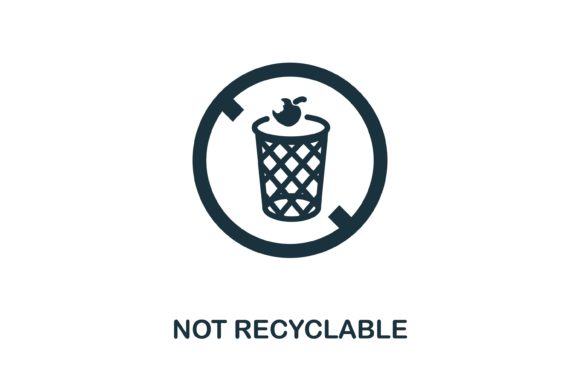
The Not Recyclable Icon is a universally recognized symbol that indicates a product, material, or packaging cannot be processed through standard recycling systems. Typically represented by a crossed-out recycling symbol or a trash can with a diagonal line, this icon serves as a clear visual warning that certain items should not be placed in recycling bins.
Available in multiple formats such as EPS and JPG, the Not Recyclable icon is easy to edit and integrate into a wide range of digital and print media. Its vector-based format ensures scalability without loss of quality, making it ideal for use in templates, UI design, and data visualization projects.
Why the Not Recyclable Icon Matters in Today’s Creative and Business Landscape
In an era where sustainability is not just a trend but a consumer expectation, accurate communication is key. The Not Recyclable icon is more than a design element—it's a tool for transparency. As governments and corporations push for clearer labeling and responsible waste management, the icon has become a vital component in environmental education and user experience design.
For designers, marketers, and entrepreneurs, the icon serves dual purposes: it informs users and helps brands maintain credibility by avoiding greenwashing. In fact, studies show that consumers are more likely to trust brands that clearly label non-recyclable items rather than obscure them. This shift in consumer behavior underscores the importance of integrating the Not Recyclable icon into product packaging, e-commerce platforms, and educational infographics.
Designing with Purpose: The Role of the Not Recyclable Icon in Web and Graphic Design
As digital design becomes more integrated with sustainability messaging, the Not Recyclable icon offers a practical solution for conveying complex environmental information quickly and effectively. Designers can use this symbol in:
- Infographics explaining waste streams and recycling processes
- Product pages on e-commerce sites to clarify packaging sustainability
- Educational websites focused on environmental science or consumer awareness
- UI/UX elements for apps that track or manage household waste
Because the icon is available in vector (EPS) and JPG formats, it can be easily customized to match brand colors, resized for different platforms, and layered into complex illustrations without losing clarity. This flexibility makes it a go-to asset for creative professionals who need scalable, reusable graphics.
Why Are Professionals Paying Attention to the Not Recyclable Icon?
The growing interest in the Not Recyclable icon stems from several converging trends across industries:
- Regulatory changes – Governments are increasingly mandating clearer waste labeling, pushing companies to adopt standardized symbols like the Not Recyclable icon.
- Consumer demand for transparency – Modern consumers expect brands to be honest about their environmental impact. Icons like this help businesses meet those expectations.
- Design simplification – As digital interfaces become more minimal, icons are replacing lengthy text descriptions. The Not Recyclable icon offers a quick, recognizable way to convey important information.
- Integration with smart technology – Emerging waste management apps and smart bins use icons to guide users toward correct disposal, making the Not Recyclable icon increasingly relevant in tech-driven environments.
How Changing Workflows and Expectations Are Driving Icon Adoption
With the rise of remote work and digital collaboration, creatives and entrepreneurs are under pressure to produce content faster and more efficiently. The availability of pre-designed, editable assets like the Not Recyclable icon streamlines the design process and reduces the need for custom illustration from scratch.
Additionally, as sustainability becomes a core component of brand identity, professionals across industries—from marketing teams to product designers—are incorporating eco-conscious visuals into their workflows. The Not Recyclable icon is not just a design element but a part of a larger narrative around responsible consumption and waste reduction.
Practical Examples of the Not Recyclable Icon in Action
Let’s explore how different sectors are putting the Not Recyclable icon to use:
- E-commerce – Online retailers use the icon on product detail pages to inform customers about packaging materials that cannot be recycled, helping them make informed decisions.
- Education – Environmental nonprofits and schools use the icon in infographics to teach students about proper waste sorting and disposal.
- Waste Management Apps – Mobile apps that guide users through recycling and trash disposal use the icon to clearly label non-recyclable items during scanning or sorting.
- Corporate Reports – Companies include the icon in their annual sustainability reports to visually represent non-recyclable components of their product lines.
Connecting the Not Recyclable Icon to Broader Trends
The rise of the Not Recyclable icon aligns with broader shifts in how society approaches sustainability, digital communication, and consumer responsibility. Here are a few key trends that underscore its growing importance:
- Circular Economy Awareness – As more businesses adopt circular economy models, the need to clearly identify non-recyclable materials becomes critical to reducing waste and maximizing reuse.
- Visual Communication Dominance – With the increasing use of visual storytelling in marketing and education, icons like the Not Recyclable icon help simplify complex messages and reach wider audiences.
- AI and Automation in Waste Sorting – As AI-powered waste sorting systems become more common, standardized icons will be essential for training models and guiding users toward correct disposal practices.
- Brand Authenticity and Trust – In a world where consumers are more skeptical of marketing claims, using clear, standardized icons like the Not Recyclable icon helps build credibility and trust.
Conclusion: A Symbol with Lasting Impact
The Not Recyclable icon is far more than a simple graphic—it's a tool that bridges the gap between environmental responsibility and effective communication. For professionals, creators, and entrepreneurs, it represents an opportunity to align design with purpose, clarity, and authenticity.
As industries continue to evolve and consumers demand greater transparency, the Not Recyclable icon will remain a cornerstone of sustainable design and responsible messaging. Whether you're creating a website, designing packaging, or developing an educational campaign, integrating this icon is a small but significant step toward a more informed and environmentally conscious future.
With its scalable EPS and JPG formats, the icon is not only versatile but also future-proof—ensuring it remains a valuable asset for years to come.