Car Recycling Icon: A Symbol of Sustainable Design and Practical Application
In today’s digital and environmental landscape, visual symbols play a crucial role in communication. One such symbol gaining traction across industries is the Car Recycling Icon. This simple yet powerful graphic represents more than just the act of recycling vehicles—it embodies a broader movement toward sustainability, resource efficiency, and eco-conscious design. Whether used in web development, educational infographics, or corporate branding, the Car Recycling Icon serves as a versatile visual cue that resonates with both creators and consumers.
Understanding the Car Recycling Icon
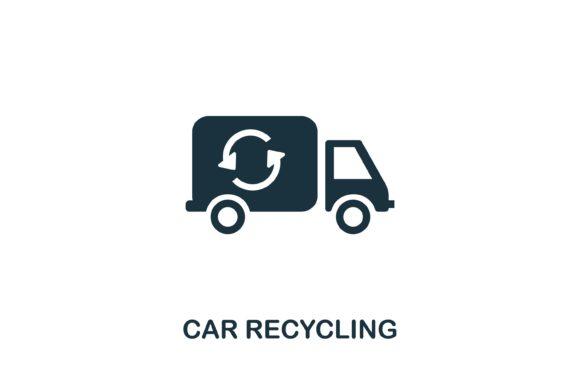
The Car Recycling Icon typically features a stylized automobile combined with recycling elements such as arrows, green tones, or circular motifs. Its design is intentionally minimalistic, making it easy to integrate into a wide range of visual projects. As a vector graphic, it offers flexibility in scaling and customization, available in formats like EPS and JPG. This adaptability ensures it remains a go-to asset for designers working across platforms and media types.
At its core, the icon symbolizes the process of repurposing end-of-life vehicles. This includes dismantling parts for reuse, reclaiming metals and other materials, and reducing waste that would otherwise end up in landfills. The icon’s widespread adoption reflects a growing awareness of environmental responsibility and the need for sustainable practices in both manufacturing and digital communication.
Applications in Web and Graphic Design
Designers frequently incorporate the Car Recycling Icon into websites, mobile apps, and digital marketing materials. Its clean aesthetic and symbolic clarity make it ideal for illustrating environmental initiatives, automotive services, and green technology. For example, a car repair shop promoting eco-friendly practices might use the icon alongside service descriptions to visually reinforce its commitment to sustainability.
In web templates and UI kits, the icon can be part of a larger set of eco-themed graphics. It helps streamline navigation by visually categorizing content related to vehicle recycling, waste management, or green energy. Infographics benefit from its inclusion as well, where it can represent data points such as recycling rates, material recovery statistics, or carbon footprint reductions.
Customization and Ease of Use
One of the key advantages of the Car Recycling Icon is its editability. Available as an EPS file, it can be resized without loss of quality, making it suitable for both small-scale icons and large banners. The JPG format, while raster-based, is often sufficient for digital use and can be easily embedded into presentations, reports, and social media graphics.
Designers appreciate the icon’s compatibility with popular editing software like Adobe Illustrator, Photoshop, and even free tools like Inkscape or GIMP. This accessibility ensures that professionals and hobbyists alike can modify the icon to fit specific branding needs, color schemes, or thematic contexts without requiring advanced technical skills.
Use Cases Across Industries
The versatility of the Car Recycling Icon extends beyond the automotive sector. Environmental organizations use it to promote vehicle recycling programs and raise awareness about sustainable disposal methods. Educational institutions integrate it into course materials to teach students about circular economies and responsible consumption.
Businesses in logistics and transportation may include the icon in internal communications or sustainability reports to highlight their efforts in reducing environmental impact. Even creative professionals like illustrators and content creators use the icon in digital storytelling or visual essays to represent themes of renewal and resourcefulness.
Examples in Real-World Contexts
- Nonprofit Campaigns: A recycling advocacy group might use the Car Recycling Icon on posters and digital ads to promote a vehicle donation program.
- Corporate Websites: An automotive manufacturer’s sustainability page could feature the icon next to metrics showing how much material is recovered from old vehicles.
- Educational Infographics: A school presentation on green technology might use the icon to illustrate the lifecycle of a car from production to recycling.
Why the Car Recycling Icon Matters
Icons are more than just decorative elements—they serve functional and communicative purposes. The Car Recycling Icon bridges the gap between visual design and environmental messaging, making complex ideas more digestible. By associating a familiar image (a car) with a recognizable symbol (the recycling loop), it creates an immediate connection in the viewer’s mind.
From a design perspective, the icon supports clean, user-friendly interfaces. From an environmental standpoint, it reinforces the importance of responsible resource management. And from a branding angle, it allows organizations to align themselves with eco-conscious values without overtly promotional language.
Considerations for Effective Use
While the Car Recycling Icon is versatile, its effectiveness depends on thoughtful implementation. Designers should consider the following when incorporating it into projects:
- Context: Ensure the icon aligns with the surrounding content and supports the intended message.
- Consistency: Use it alongside other icons of similar style and scale to maintain visual harmony.
- Audience: Tailor the design and placement to the target demographic—educational materials may require a more literal style, while modern websites might favor minimalist abstraction.
Trends and Future Outlook
As sustainability becomes a central concern for consumers and businesses alike, the demand for eco-themed visual assets like the Car Recycling Icon is expected to grow. Design trends are moving toward more symbolic and minimalistic representations of environmental themes, and icons like this one are poised to become standard elements in digital design kits.
Moreover, as vehicle electrification and battery recycling become more prominent, the icon may evolve to reflect new technologies and materials. Future iterations could incorporate elements specific to EV recycling or renewable energy integration, ensuring the symbol remains relevant and informative.
Conclusion
The Car Recycling Icon is more than a graphic—it’s a tool for communication, education, and brand alignment. Whether used in a corporate report, a mobile app, or a classroom infographic, it delivers a clear and consistent message about sustainability and resource reuse. With its ease of customization, broad applicability, and visual clarity, it stands out as a valuable asset for designers, educators, and environmental advocates alike. As the world continues to prioritize green initiatives, this simple illustration will likely remain a key visual element in the conversation around responsible consumption and circular economies.