Islam Icon: Simple, Versatile Visual for Modern Design Needs
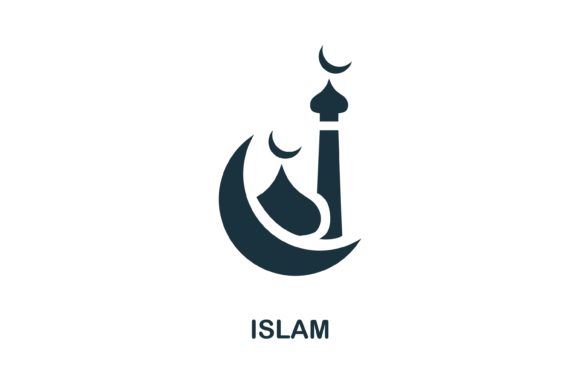
Whether you're building a website, designing an infographic, or creating educational material, visuals matter. One such visual that serves both aesthetic and symbolic purposes is the Islam icon. It’s a clean, monochrome illustration often used in religious collections, web templates, and digital graphics. More than just a decorative element, it carries meaning and can enhance the clarity and professionalism of your project.
What Exactly Is an Islam Icon?
An Islam icon is a simplified visual representation of Islamic identity or themes. Typically designed in monochrome, it’s easy to integrate into various design styles. It's often offered as a vector graphic, which means it can scale without losing quality. You’ll usually get it in formats like EPS and JPG, making it compatible with design tools like Adobe Illustrator, Photoshop, or even free tools like Inkscape and Canva.
This icon can symbolize a mosque, the crescent and star, or other culturally relevant imagery associated with Islam. Its minimalist design makes it ideal for use in digital content where clarity and simplicity are key.
Where and Why People Use Islam Icons
The Islam icon isn’t just for religious websites. It has a wide range of applications across different fields. Let’s explore how different users might incorporate it into their work:
- Website Designers: When building a site related to Islamic culture, education, or community services, adding an Islam icon helps visitors immediately recognize the theme of the site. It works well in headers, footers, or navigation menus.
- Educators: Teachers and curriculum designers may use the icon in presentations or handouts to visually represent Islamic history, traditions, or geography lessons. It helps students connect with the material in a more engaging way.
- Bloggers and Content Creators: Those writing about faith, spirituality, or cultural topics may include the icon to enhance visual storytelling. It can be used as a thumbnail element or in social media graphics.
- Nonprofits and NGOs: Organizations focused on interfaith dialogue or humanitarian aid in Muslim-majority regions might use the icon in reports, brochures, or awareness campaigns to signal cultural sensitivity and inclusion.
Real-World Scenarios: How Different Users Benefit
Let’s look at a few specific examples to see how people apply the Islam icon in real life:
- A Small Business Owner Launching an Online Store: Imagine someone selling modest fashion or halal products. They can use the Islam icon in their website footer or product categories to clearly communicate their brand values and target audience.
- A Freelance Designer Working on an App: A mobile app that includes prayer times, Quranic verses, or charity donation features might use the icon as a UI element. It helps users quickly understand the app’s purpose without needing lengthy explanations.
- A Publisher Creating an Infographic: When designing a visual summary of global religions, the Islam icon can be used alongside other religious symbols to represent Islam in a balanced, respectful way.
Choosing the Right Islam Icon for Your Project
Not all Islam icons are created equal. Here are some things to consider before selecting or purchasing one:
- Style: Since the icon is typically monochrome, make sure it fits with your color scheme and overall design aesthetic. Some icons may have a modern, geometric look, while others are more traditional.
- File Format: Check if you’re getting both EPS and JPG files. EPS is best for editing and scaling, while JPG is handy for quick placement in web or print projects.
- Cultural Sensitivity: Ensure the icon respects Islamic traditions and avoids any unintended symbolism. It should be appropriate for the context in which it’s used.
- Licensing: If you’re using the icon commercially, confirm that it’s royalty-free or properly licensed to avoid legal issues later.
How to Use Islam Icons Effectively
Using an Islam icon isn’t just about placing it anywhere. Here are some practical tips to make the most of it:
- Pair It with Complementary Elements: Combine the icon with related symbols or text to create a cohesive visual message. For example, in a religious calendar, you might pair it with dates of Islamic holidays.
- Use It Consistently: If you're using it across multiple pages or platforms, keep the size, color, and placement consistent to build visual recognition.
- Keep It Simple: Because the icon is minimalist, avoid cluttering it with too many other design elements. Let it stand out as a clean, recognizable symbol.
When Not to Use an Islam Icon
While versatile, the Islam icon isn’t always appropriate. Avoid using it in contexts where it might be misunderstood or misused:
- In political or controversial content that could be seen as exploiting religious imagery
- In projects that don’t have a clear connection to Islamic culture or identity
- Without permission or proper context in academic or journalistic work
Final Thoughts
The Islam icon is more than a design element — it’s a meaningful symbol that can elevate your visual communication. Whether you're a small business owner, educator, designer, or blogger, it offers a clean, professional way to convey cultural and religious relevance. Just remember to use it thoughtfully, choose high-quality versions, and always consider the context in which it appears. With the right approach, this simple illustration can make a powerful impact in your creative or professional work.