Office Table: A Versatile Design Element for Modern Creatives
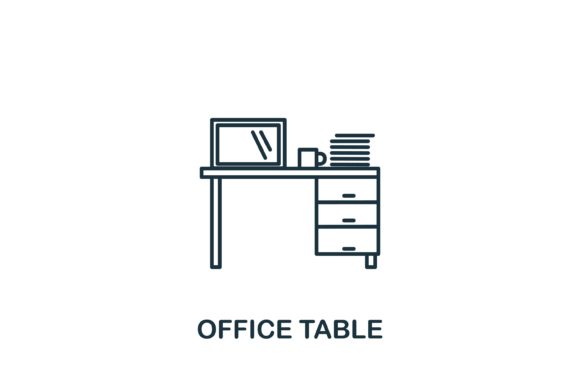
When you think of an office table, the first image that comes to mind might be a sturdy desk in a corporate workspace. But in the world of design, the Office Table icon has taken on a new life. This simple line element, part of a broader interior collection, serves as a powerful visual symbol for templates, web design, and infographics. Whether you're crafting a presentation, building a website, or designing marketing materials, the Office Table icon can help communicate ideas clearly and effectively.
What Is the Office Table Icon?
The Office Table icon is a minimalist vector graphic that represents a standard desk or work surface. It's typically created using clean lines and basic shapes, making it easy to scale and customize. Available in formats like EPS and JPG, this icon is simple to edit and integrate into a wide range of digital and print projects. Its versatility lies in its simplicity—just a few lines can convey the concept of productivity, organization, or workspace.
Where and Why People Use the Office Table Icon
Designers, marketers, educators, and entrepreneurs all find value in using the Office Table icon. It's especially useful when you need to visually represent concepts related to work, productivity, or office environments without relying on complex imagery. Here are some common scenarios where this icon comes in handy:
- Website UI design: Used in navigation menus or section headers to symbolize a workspace or productivity tool.
- Infographics: Helps illustrate data related to remote work, office trends, or time management.
- Presentation slides: Adds visual context to topics about office culture, workspace design, or business efficiency.
- Mobile and web apps: Serves as a button or menu icon for features related to workspaces or task management.
Real-World Applications Across Industries
Let’s take a closer look at how different professionals use the Office Table icon in practical ways:
1. For Remote Work Platforms
With the rise of remote work, platforms that offer virtual office environments often use the Office Table icon to represent a user's workspace. For example, a productivity app might use it to indicate where users can set up their daily tasks or virtual meetings. The icon helps users quickly identify workspace-related features without needing lengthy explanations.
2. In Educational Materials
Teachers and instructional designers use the Office Table icon in digital learning modules to represent study spaces or project planning areas. When explaining time management or organization techniques, this icon can be paired with other symbols like clocks or notebooks to reinforce the message visually.
3. For Office Furniture Brands
Companies that sell office furniture or interior design services often use the Office Table icon in their marketing materials. It can appear on product pages, social media posts, or brochures to represent workspace solutions. When paired with lifestyle imagery, it becomes a subtle yet effective way to connect with customers looking to upgrade their home or office setups.
4. In Mobile Productivity Apps
Developers of productivity apps use the Office Table icon to represent workspace customization features. For example, a task management app might use it to indicate where users can organize their workspace layout or choose between home and office settings. Its clean design makes it ideal for minimalist UIs where clarity is key.
How Different Users Benefit from the Office Table Icon
Depending on your role and goals, the Office Table icon can offer different benefits:
- Designers: Appreciate its scalability and ease of customization. The vector format allows them to resize it without losing quality and recolor it to match brand guidelines.
- Marketers: Use it to create visually cohesive campaigns that communicate professionalism and productivity.
- Entrepreneurs: Incorporate it into pitch decks or business plans to visually represent their workspace or work-from-home strategies.
- Bloggers and Content Creators: Add it to infographics or blog graphics to enhance storytelling around topics like remote work, home offices, or productivity hacks.
Things to Consider Before Using the Office Table Icon
While the Office Table icon is a useful tool, there are a few things to keep in mind before incorporating it into your project:
- Context matters: Make sure the icon clearly supports the message you're trying to convey. If your content is about outdoor workspaces, for example, a different icon might be more appropriate.
- Consistency in style: If you're using multiple icons, ensure they all share a similar visual style. Mixing line icons with solid ones can create a disjointed look unless done intentionally.
- File format compatibility: Check whether your design software supports EPS files or if you'll need to convert them to a more widely accepted format like PNG or SVG.
- Usage rights: Always confirm that the icon is properly licensed for your intended use, especially if you're using it in commercial projects.
Getting the Most Out of the Office Table Icon
To truly make the Office Table icon work for you, think beyond its literal meaning. It doesn’t just represent a piece of furniture—it symbolizes productivity, focus, and structure. When used thoughtfully, it can help your audience connect the visual with the idea you're presenting.
For instance, if you're designing a website about time management, pairing the Office Table icon with a clock or checklist can create a strong visual narrative. If you're promoting a co-working space, use the icon in your layout to subtly reinforce the idea of a professional environment.
Conclusion: A Small Icon with Big Impact
The Office Table icon may seem like a minor design element, but its impact can be significant. Whether you're building a website, creating a presentation, or designing marketing materials, this simple line element offers a clear, recognizable way to communicate ideas related to work, organization, and productivity. With its clean design and adaptability, it's a valuable addition to any designer’s toolkit—especially when you're aiming to create visuals that are both functional and visually appealing.