Understanding the Music Player Icon: A Versatile Design Element for Modern Creatives
The Music Player Icon from a music collection is more than just a visual symbol—it’s a bridge between technology and creativity. Whether you’re designing a website, crafting an infographic, or building a digital template, the right music player icon can communicate functionality, style, and brand identity all at once. This article explores the significance of the music player icon, its design versatility, and how it plays a key role in modern digital communication.
What Is a Music Player Icon?
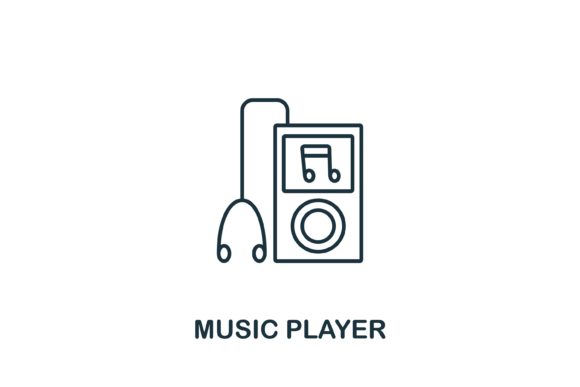
A music player icon is a visual representation of audio playback functionality. It typically symbolizes a device or interface used for playing music, such as a speaker, headphones, or a stylized audio waveform. These icons are commonly used in web design, mobile apps, and graphic templates to indicate music-related features or content.
Icons from a music collection are often designed to be simple yet expressive. A simple line music player icon is especially popular because it’s clean, scalable, and easy to integrate into a variety of design contexts.
Visual Communication and Usability
In the world of web design and user interface (UI) development, icons serve as visual shorthand. A music player icon instantly tells users that they can interact with an audio element—whether that’s playing a song, pausing a podcast, or accessing a playlist.
- Improves user experience by making interfaces more intuitive
- Reduces the need for lengthy text labels
- Enhances the aesthetic appeal of digital platforms
Scalability and Adaptability
One of the biggest advantages of using a vector-based music player icon is its scalability. Whether you’re working on a high-resolution banner or a mobile app, vector graphics maintain clarity at any size. Most icons come in formats like EPS and JPG, which are easy to edit and use across different software platforms.
Integrating Into Web Design
For web developers and designers, the music player icon from a music collection is a valuable asset. It can be used to:
- Indicate audio content on blog posts or landing pages
- Label buttons for music playback controls
- Enhance navigation menus in music-related websites
When designing with icons, it’s important to maintain consistency in style and color to ensure a cohesive look across your website or app.
Infographics and Presentation Materials
Infographics often rely on icons to simplify complex ideas. A simple line music player icon can be used to represent data related to music trends, audio streaming usage, or digital entertainment growth. These icons help break up text and make visual content more engaging and digestible.
Templates and Creative Projects
Graphic designers and content creators frequently use symbol and logo vector graphics to build reusable templates. Whether you're designing a music festival flyer or a podcast cover, a well-chosen music player icon adds a professional and recognizable touch.
Understanding File Formats
Most music player icons are available in EPS and JPG formats. Here's what you need to know:
- EPS (Encapsulated PostScript): Ideal for vector editing in programs like Adobe Illustrator. Perfect for scaling without loss of quality.
- JPG (Joint Photographic Experts Group): Best for raster images that will be used directly in websites or print materials.
Having both formats gives you the flexibility to edit and implement the icon in various ways, depending on your design needs.
Customization and Branding
Many designers prefer to customize icons to match their brand colors or design themes. Since these icons are often delivered as vector graphics, they can be easily edited to fit specific color schemes, line weights, or stylistic preferences.
Common Misconceptions About Music Player Icons
While icons seem straightforward, there are a few common misunderstandings:
- “All icons are the same.” Not true. The style, clarity, and symbolism of a music player icon can vary greatly between collections.
- “Icons don’t affect user experience.” In reality, icons significantly influence how users navigate and interpret digital content.
- “Only designers need icons.” Content creators, educators, and marketers also benefit from using icons to enhance communication and engagement.
Education and E-Learning
In e-learning platforms, music player icons are used to indicate audio lessons, pronunciation guides, or background music tracks. They help learners quickly identify where audio content is available, improving accessibility and engagement.
Business and Marketing
Marketing teams use music player icons in campaigns for music festivals, streaming services, or branded playlists. These icons can be part of social media graphics, email newsletters, or promotional banners.
Technology and App Development
App developers rely on music player icons to denote media controls in mobile and desktop applications. A well-designed icon improves the user interface and makes the app more intuitive.
Conclusion: The Power of a Simple Icon
The music player icon from a music collection is a small but powerful design element. Whether you're a web developer, graphic designer, educator, or entrepreneur, incorporating a simple line music player icon into your work can enhance clarity, aesthetics, and user interaction. With options like EPS and JPG files readily available, these icons are not only easy to use but also highly customizable to fit your unique needs.
By understanding the role and versatility of the music player icon, you’re better equipped to make informed design choices that resonate with your audience and elevate your digital presence.